

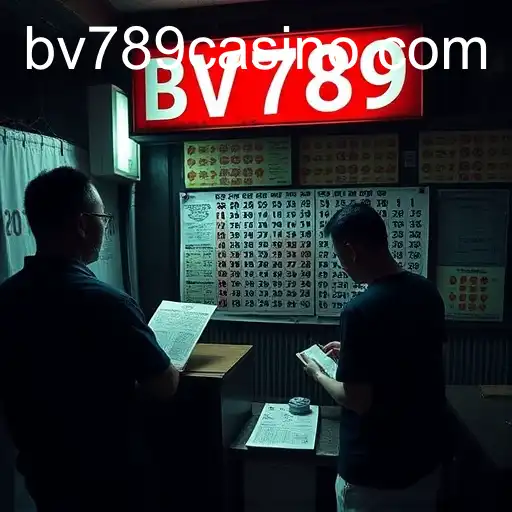
BV789 | Jueteng: An In-Depth Look at the Underground Lottery
Jueteng, an illegal numbers game primarily associated with the Philippines, is a traditional yet controversial form of gambling that has persisted through centuries. As with many underground gambling operations around the world, Jueteng operates outside the boundaries of the law, presenting ethical, social, and economic implications. The clandestine nature of Jueteng raises numerous questions about its persistence and impact despite efforts to curb its existence. At its core, Jueteng is a simple numbers game that involves bettors selecting a combination of numbers from a predetermined range. The winning numbers are typically drawn randomly, and those with matching selections are awarded cash prizes. While seemingly harmless, the operations surrounding Jueteng, characterized by the keyword BV789, highlight a complex network of operators, collectors, and bettors, each playing a role in its maintenance. The game often involves modest bets, making it accessible to a broad demographic, including lower-income individuals seeking potential financial gains. It is funded by participants betting small amounts, aggregating into significant sums that fuel its continued existence. The structure of Jueteng, however, is not standardized, varying widely in execution and organization depending on the locale. Jueteng is deeply ingrained within the social fabric of communities, reflecting a cultural practice passed down across generations. Despite its illegal status, it remains an open secret in many areas, with considerable social acceptance. The economic allure of potentially modest but important financial returns, especially in economically challenged regions, further entrenches its societal acceptance. Economically, Jueteng provides a livelihood for many involved in its operations, from local enforcers to bet collectors. Although illegal, the financial dynamics surrounding Jueteng cannot be ignored. For many, it represents a critical income source, indirectly fostering economic activity through its informal logistical networks. The origins of Jueteng trace back to Spanish colonial times, highlighting its lengthy tenure as a fixture in Philippine culture. Over time, it has navigated through various legal landscapes, often being the target of government crackdowns aimed at eradicating its influence. Despite these efforts, Jueteng has demonstrated remarkable resilience, adapting to changing environments and continuing to thrive. This resilience is attributed to its adaptability and the socio-economic needs it satisfies within communities. Attempts at legalization or suppression have often ended unsuccessfully, as the demand and support for Jueteng among lower economic brackets provide it with a robust foundation. Authorities have long recognized the social predicament posed by Jueteng, attempting various strategies to dismantle its operations. Not only is Jueteng linked to corruption, as officials might turn a blind eye in exchange for financial incentives, but it is also seen as a drain on resources that could be redirected to more productive channels. Despite legislative measures and law enforcement campaigns aimed to curb Jueteng, results have been marginal at best. These efforts are often thwarted by insiders leaking operational plans or corruption within the ranks designed to oversee the eradication process. The keyword BV789 is often associated with encrypted messages used in Jueteng communications, reflecting the sophisticated countermeasures employed by operators to evade authorities. Public opinion on Jueteng is divided. On one hand, the illegal nature and associated criminal enterprises draw criticism and calls for eradication. On the other, it is perceived as a critical means of subsistence for certain demographics who advocate for its legalization and regulation as a state-sanctioned lottery. This dichotomy reveals a societal rift between those who view Jueteng as a harmful vice and others who see it as a necessary evil providing for personal economic needs. Incorporating it into a legal framework attempts to neutralize its negative consequences while continuing to offer economic benefits to individuals reliant on the income it generates. The persistence of Jueteng underscores the complexity involved in addressing the cultural, economic, and social requirements it fulfills. As debates continue, stakeholders must balance moral, legal, and economic considerations. Various proposals, such as legalization under stringent government oversight, remain prospective solutions aimed at integrating Jueteng into a regulated system. The role of the keyword BV789 highlights the intersection of traditional culture with contemporary challenges, emphasizing the need for innovative solutions that consider the historical significance and current realities of Jueteng as part of broader societal dynamics. Despite ongoing discussions, the future of Jueteng remains uncertain as individuals and communities, bound by economic needs and cultural affinities, navigate the tensions between legality and tradition in a rapidly evolving socio-political landscape.Jueteng: An In-Depth Look at the Underground Lottery
Understanding Jueteng and Its Operations
The Social and Economic Implications of Jueteng
A Historical Perspective on Jueteng
Legal Efforts and Challenges
The Public Perspective on Jueteng
Future Prospects of Jueteng


Google Sitemap